
Shockwave Therapy for Plantar Fasciitis
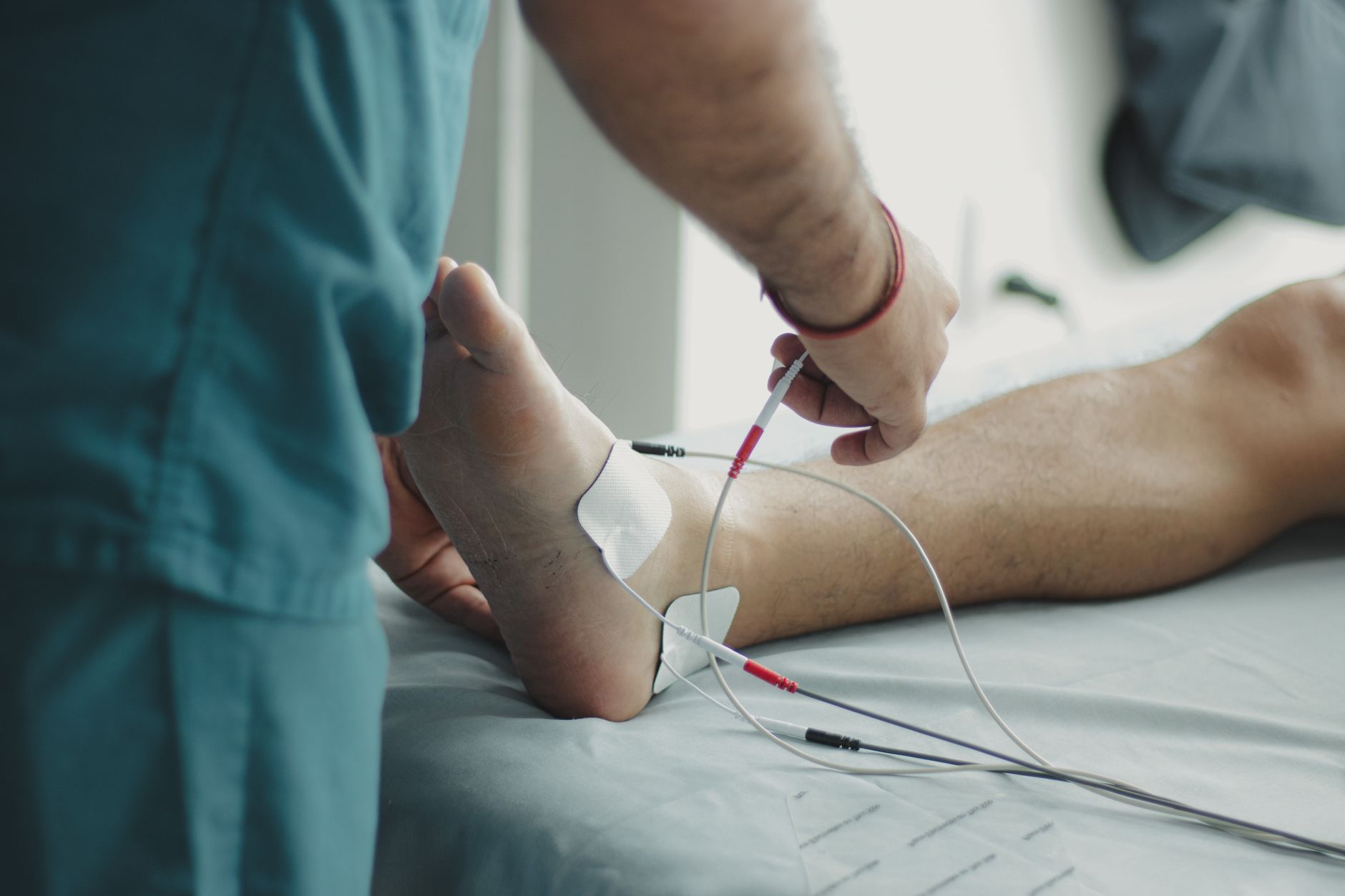
Plantar fasciitis is one of the most common causes of chronic heel pain, affecting an estimated one in ten people at some point in their lives. The condition involves inflammation and micro-tearing of the plantar fascia — the thick band of connective tissue running along the sole of the foot from the heel to the toes. For many patients, conservative treatments such as stretching, orthotics, and rest provide partial relief, but fail to resolve the underlying pathology.
Shockwave therapy — also known as Extracorporeal Shock Wave Therapy (ESWT) — has become one of the most evidence-supported interventions for chronic plantar fasciitis. The treatment involves delivering focused acoustic pressure waves to the affected tissue, stimulating cellular repair processes, promoting neovascularisation, and breaking down calcific deposits that often accumulate at the insertion point of the fascia.
Clinical trials consistently demonstrate that shockwave therapy achieves success rates of between 70 and 90 percent in patients who have not responded to conservative management. At Longfield Polyclinic, we typically administer a course of three to five sessions, spaced approximately one week apart. Each session lasts around 15 to 20 minutes and requires no anaesthesia. Patients may experience mild discomfort during treatment, but this is generally well tolerated.
Recovery following shockwave therapy is progressive. Many patients notice a reduction in pain within two to four weeks of beginning treatment, with the full benefit becoming apparent over three to six months as tissue remodelling completes. Compared to surgical alternatives, shockwave therapy carries minimal risk, requires no downtime, and avoids the complications associated with corticosteroid injections such as fat pad atrophy.